
 Español
 Pусский
 العربية
 中文
中文edge banding glue discoloration fix
Edge banding glue discoloration is a common issue in woodworking and panel furniture production. It usually appears as yellowing, whitening, dark stains, or uneven color marks along the edge of boards after banding. This problem can affect the visual quality of cabinets, wardrobes, desks, shelves, and other laminated products. In many cases, the discoloration is not caused by a single factor, but by a combination of glue type, application temperature, material compatibility, and surface treatment.One of the most frequent causes is excessive glue application. When too much adhesive is used, the surplus glue may squeeze out from the edge during pressing. If this extra glue is not cleaned properly, it can remain on the surface and later oxidize or absorb dirt, leading to visible discoloration. Uneven glue spread can also create light and dark bands along the edge, making the finish look inconsistent. Another common reason is incorrect glue temperature. If the glue is overheated, it may burn or chemically degrade, which can result in a darker color after cooling. If the temperature is too low, the bond may be weak and moisture may enter the joint, causing whitening or cloudy marks.Material compatibility also plays an important role. Different edge banding materials, such as PVC, ABS, veneer, or melamine, react differently to adhesives. Some materials are more sensitive to heat, solvents, or moisture. If the wrong adhesive is selected, discoloration may appear quickly or gradually over time. In addition, the quality of the substrate matters. Panels with dust, oil, moisture, or surface coatings can interfere with bonding and cause uneven color changes. Poor sanding or rough surfaces may trap glue and make the edge look stained.To fix edge banding glue discoloration, the first step is to identify the source of the problem. Inspect whether the discoloration is on the glue line, on the edge banding strip, or on the panel surface. If the issue is caused by glue residue, carefully clean the area using a suitable method based on the adhesive type. For fresh adhesive, wiping with a proper cleaning cloth may be enough. For cured residue, gentle scraping or polishing can help, but care should be taken not to damage the edge finish. If the discoloration comes from heat damage, the affected section may need to be replaced, because burnt adhesive is difficult to restore completely.Preventive measures are equally important. Use the correct amount of glue and maintain proper machine settings. Keep the glue temperature within the recommended range and ensure the pressing pressure is even. Choose an adhesive that matches the edge material and the substrate. Make sure surfaces are clean, dry, and free from dust before banding. Regular equipment maintenance can also reduce the risk of irregular glue flow and temperature fluctuation.In summary, edge banding glue discoloration can usually be controlled through proper process management, suitable adhesive selection, and careful cleaning. By improving each step of production, manufacturers can achieve cleaner edges, better appearance, and more durable finished products.
Products
Category:
-
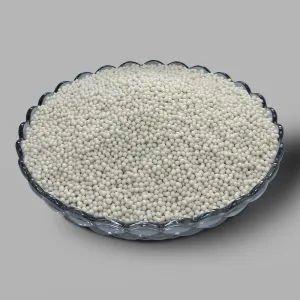
K-803
Category: K SeriesBrowse number: 247Number:Release time: 2026-07-28 14:54:18Compatible Equipment: Manual / semi-automatic edge banding machinesRange of Application: Suitable for PVC, melamine papers, veneer edge bandingCharacteristics: Long open time, fast curing, good initial tack, no adhesive thread, good peel strength,cost-effective.
News
Category:
-
[industry news]How to choose the right hot melt adhesive?
2026-07-20 16:07:57
Case
Category:
No search results found!
Video
Category:
No search results found!
Download
Category:
-
[Certificates & Reports]EVA-Yousheng(Guangdong) REACH 2026
2026-07-30 15:57:19
Job
Category:
No search results found!
Featured Products
No search results found!



 Phone
Phone